




Over 60% of Alzheimer’s patients will wander at some point, and falls are an ever-present risk for seniors living with early-stage dementia. For families and caregivers, these realities can feel overwhelming. The good news is that modern alarm systems offer a practical, reliable safety net that supports both independence and peace of mind. This guide walks you through the main types of alarms available, what the evidence actually says about their effectiveness, and how to use them wisely as part of a broader care plan.
Table of Contents
- Understanding the different types of alarms for dementia
- How alarms support independence and ease caregiver burden
- What the evidence says: Benefits and limitations of alarms
- Alarm fatigue and practical challenges: Making systems work for you
- Our take: Why alarms are a means, not a magic fix
- Find the right alarm system for your loved one
- Frequently asked questions
Key Takeaways
| Point | Details |
|---|---|
| Alarms boost independence | The right alarm allows seniors to live more freely with less direct supervision. |
| No single solution fits all | Different alarm types support different risks—combine devices for layered safety. |
| Effectiveness varies by setup | Real-world benefits depend on choosing, adjusting, and maintaining the right system. |
| Address alarm fatigue early | Proactive settings and feature choices prevent unnecessary caregiver stress. |
Understanding the different types of alarms for dementia
Not all alarms work the same way, and choosing the right one starts with understanding what each type does. The three most common categories are personal alarms, bed alarms, and door alarms. Each addresses a different risk, and many families use more than one.
Personal alarms are wearable devices, often worn on the wrist or around the neck. They typically include an SOS button that the user can press in an emergency. More advanced models include GPS tracking, fall detection, and two-way calling. A GPS tracker watch for dementia is especially useful for seniors who are still active and mobile, because it lets family members see their location in real time.
Bed alarms use pressure-sensitive pads and wireless alerts to notify caregivers the moment a person gets up from bed. This is particularly valuable at night, when falls and unsupervised wandering are most likely to happen.
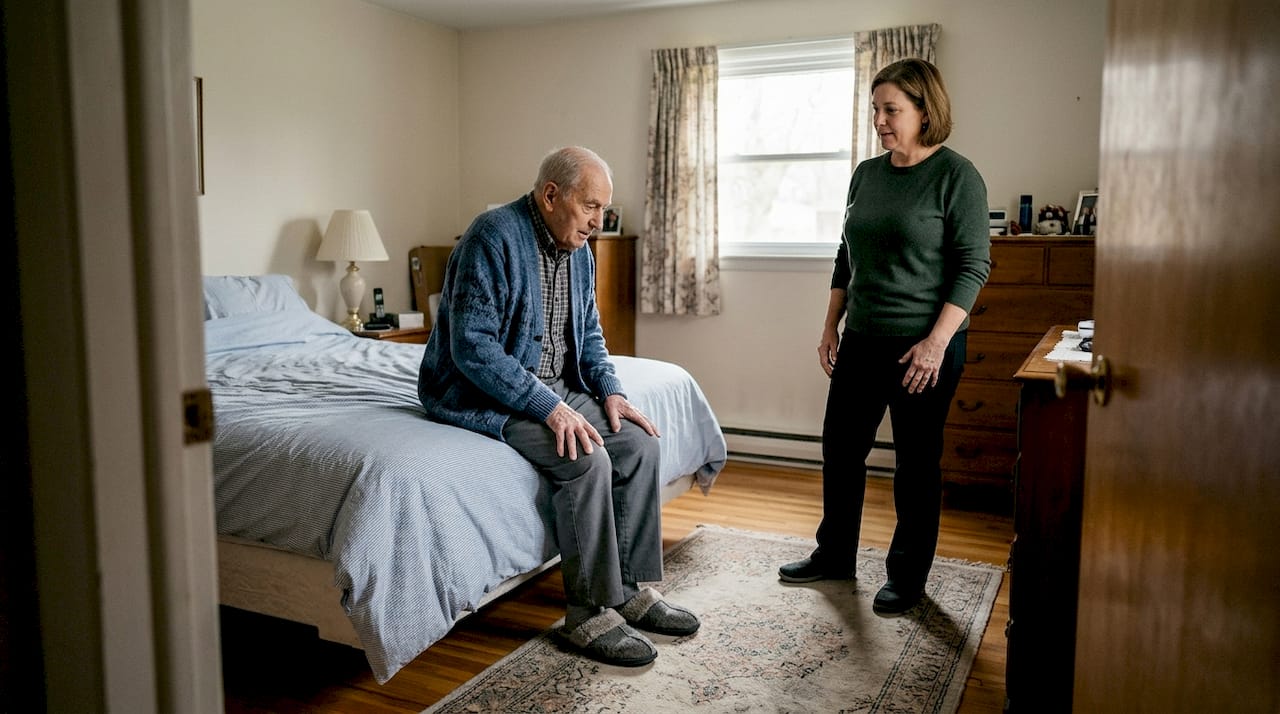
Door alarms are placed on entry points and sound when a door is opened or approached. Many pair with wristbands worn by the person with dementia, so the alarm only triggers for that individual and not for other household members.
Here is a quick comparison to help you weigh the options:
| Alarm type | Primary risk addressed | Key feature | Best for |
|---|---|---|---|
| Personal alarm | Falls, emergencies | SOS button, GPS, fall detection | Active seniors, wanderers |
| Bed alarm | Nighttime falls | Pressure pad, wireless alert | Seniors with poor night balance |
| Door alarm | Wandering, exit attempts | Door sensor, wristband pairing | Home-based wandering risk |
When comparing personal alarms across brands, look closely at battery life, range, and whether the device requires a monthly subscription. Some of the best options on the market work without ongoing fees.
- Personal alarms: portable, discreet, and often GPS-enabled
- Bed alarms: hands-free monitoring during sleep hours
- Door alarms: passive protection that requires no action from the user
Pro Tip: Match the alarm type to your loved one’s daily patterns. If they tend to get up at night, a bed alarm is the priority. If they go outside alone, a GPS personal alarm is essential.
How alarms support independence and ease caregiver burden
One of the most important things alarms do is give seniors more freedom at home. When a reliable safety net is in place, a person with early-stage dementia can move around the house, go to the kitchen, or sit in the garden without a caregiver standing right next to them. That sense of independence matters deeply to dignity and quality of life.
For caregivers, the benefits are just as significant. Alarms reduce caregiver burnout by enabling monitoring without constant supervision. This means you can be in another room, take a short break, or focus on other tasks without feeling like you are abandoning your loved one.
Here is a practical example of how this plays out at night:
- A senior with early-stage dementia wakes up at 2 a.m. and gets out of bed.
- The bed alarm immediately sends a wireless alert to the caregiver’s phone or pager.
- The caregiver reaches the bedroom within seconds, before the person has moved far.
- A potential fall or unsupervised exit is avoided, and everyone goes back to sleep safely.
This kind of layered response is exactly what professionals recommend. As one care specialist noted:
“Alarms are most effective when they are part of a broader safety strategy that includes environmental adjustments, routines, and caregiver training. No single device does everything.”
Alarms also support the goal of aging in place, which means staying at home rather than moving to a care facility. When families feel confident that risks are being managed, they are more likely to keep their loved one at home longer. The benefits of fall alarm watches extend well beyond the device itself, touching the emotional wellbeing of the whole family. Organizations like Careium have documented how personal alarms contribute to longer, safer periods of independent living for dementia patients.
What the evidence says: Benefits and limitations of alarms
It is important to be honest about what research does and does not show. The evidence for alarm effectiveness is genuinely mixed, and understanding this helps families set realistic expectations.
On the cautious side, no large randomized controlled trials have definitively proven that alarms reduce falls across the board. Most of the positive evidence comes from smaller studies or real-world reports rather than large-scale clinical research.
That said, some data is encouraging. A recent study found 37% fall reduction and 78% drop in injurious falls when video monitoring and wearable sensors were used together. While this involves more than just a basic alarm, it points to the power of combining technology with attentive care.
Here is a summary of what the evidence currently supports:
| Claim | Evidence level | Practical takeaway |
|---|---|---|
| Alarms reduce all falls | Weak (no large RCTs) | Do not rely on alarms alone |
| Alarms speed up caregiver response | Strong (real-world data) | Valuable for nighttime safety |
| Wearables reduce injurious falls | Moderate (small studies) | Promising when combined with other tools |
| GPS tracking supports wandering safety | Strong (practical use) | High value for active seniors |
A smartwatch for the elderly that includes fall detection and GPS combines several of these benefits in one device, which is why wearable alarms are increasingly popular among families.

Pro Tip: Think of alarms as your safety net, not your only safety measure. Combine them with good lighting, clear pathways, and regular check-ins for the best results.
Alarm fatigue and practical challenges: Making systems work for you
Even the best alarm system can become a problem if it goes off too often. This is called alarm fatigue, and it is more common than many families expect. When alerts fire constantly, caregivers start to tune them out or feel constantly on edge. Neither outcome is good.
Frequent alarms cause alarm fatigue among caregivers, and the solution is to optimize settings to minimize false alerts. Most modern systems allow you to adjust sensitivity, set time windows, or choose between audible and silent alerts.
Here are the most common challenges and how to address them:
- False alarms from normal movement: Adjust the sensitivity on bed pads so they do not trigger every time your loved one shifts position.
- Sensory sensitivity in the user: Some people with dementia find loud alarms distressing. Choose a device with a silent or vibration mode that alerts only the caregiver.
- Alert overload on the caregiver’s phone: Use a dedicated pager or a separate notification channel so alarms stand out from regular messages.
- Placement errors: A door sensor placed too low or a bed pad positioned off-center will produce unreliable results. Follow alarm device installation tips carefully during setup.
- Confusing interfaces: Devices with large icons and simple controls are easier for both seniors and caregivers to manage. An alarm watch interfaces guide can help you choose a device that fits your loved one’s comfort level.
Smart Caregiver systems are designed to reduce false alarms while maintaining high sensitivity for real events. This balance is what you should look for in any system you consider.
Pro Tip: Run a one-week test after installing any new alarm. Track how many alerts were real versus false, then adjust settings accordingly. This simple step can dramatically improve the system’s usefulness.
Our take: Why alarms are a means, not a magic fix
We have worked with many families navigating early-stage dementia, and one thing we see repeatedly is the hope that a single device will solve everything. Alarms are genuinely valuable tools. But they are not a substitute for thoughtful care.
The uncomfortable truth is that alarms alert after an exit starts, not before. They catch a situation in progress. This means a caregiver still needs to respond quickly, and the environment still needs to be as safe as possible before any alarm is ever triggered.
No alarm replaces good lighting in hallways, furniture arranged to reduce trip hazards, or a regular conversation with your loved one about their routines and fears. These basics matter enormously and cost nothing.
We also encourage families to talk honestly with their loved one’s doctor or a dementia care specialist. Alarms work best when they are chosen and configured with professional input. Explore personal alarms for the elderly as one part of a broader plan, not as the whole plan. When you approach alarms with realistic expectations, they become a genuine source of confidence rather than a false sense of security.
Find the right alarm system for your loved one
Choosing the right alarm system does not have to feel overwhelming. The key is matching the device to your loved one’s specific risks, habits, and comfort level.
At kuus.shop, we offer a range of wearable safety devices designed specifically for seniors, including GPS watches with SOS buttons, fall detection alarms, and easy-to-use smartwatches, all without monthly subscription fees. Whether you are just starting to explore options or ready to make a decision, our guides and product pages are here to help. Browse the best GPS tracker for seniors or explore the full range of alarm solutions for seniors to find the right fit for your family.
Frequently asked questions
How do I choose the best alarm for early-stage dementia at home?
Personal, bed, and door alarms each address different behaviors, so start by identifying your loved one’s main risks, such as wandering or nighttime falls, and then match the alarm type to those specific needs.
Can alarms prevent all falls and wandering incidents?
No alarm can fully prevent falls or wandering. No large RCTs prove that alarms eliminate these risks, which is why they work best as one layer within a broader safety strategy.
How can I avoid alarm fatigue for myself as a caregiver?
Adjust sensitivity settings and select devices built for fewer false alerts. Alarm fatigue is common and manageable with the right configuration, so take time to fine-tune your system after the first week of use.
Are wearable alarms with GPS worth it for dementia care?
Yes, for seniors at risk of wandering. Personal alarms include GPS and fall detection features that provide real-time location data and instant emergency alerts, giving families meaningful peace of mind.
Do alarms really help families keep loved ones at home longer?
When combined with other safety measures, yes. Alarms reduce caregiver burnout and support aging in place by enabling safer monitoring without requiring constant one-on-one supervision.