




Many seniors or caregivers assume a phone is enough for safety and tracking. However, phones are often forgotten, unreachable, or unreliable in emergencies. This article explains why GPS smartwatches offer superior and consistent protection for seniors, especially those at risk of falls or memory challenges. Unlike phones that depend on conscious carrying and operation, smartwatches remain on the wrist continuously, delivering automatic alerts and precise location data when it matters most. We’ll explore the technical advantages, usability benefits, and practical considerations that make smartwatches the smarter choice for senior safety.
Table of Contents
- Key takeaways
- Why a smartwatch stays with seniors when phones don’t
- Superior fall detection and GPS accuracy of smartwatches
- User-friendly design and features for seniors
- Comparing costs, limitations, and practical considerations
- Explore our GPS smartwatches for senior safety
- Frequently asked questions
Key Takeaways
| Point | Details |
|---|---|
| Constant wear | Watches stay on the wrist at all times delivering continuous GPS tracking and fall detection, reducing gaps when a phone is forgotten or left behind. |
| Fall detection accuracy | Automatic fall detection offers 99.7 percent accuracy and 10 second response times without requiring user input. |
| Caregiver benefits | Caregivers receive real time data and automatic alerts without the senior needing to manage apps or devices. |
| Phone reliability risks | Phones can be forgotten, have dead batteries, or be too complex for seniors, leaving protection gaps. |
Why a smartwatch stays with seniors when phones don’t
Phones commonly are forgotten or misplaced by seniors, especially those with memory impairments. A phone left on a kitchen counter or bedroom nightstand provides zero protection during a fall in the bathroom or garden. After a fall, seniors may not be able to reach for phones, making timely help difficult or impossible. The physical distance between person and device becomes a critical failure point in emergency response.
Wrist-worn smartwatches are worn constantly ensuring GPS tracking and fall detection remain active regardless of location or activity. This constant wear eliminates the risk of being left behind during walks, gardening, or daily routines. The device becomes an extension of the body rather than an accessory to remember.
Caregivers can have peace of mind knowing their loved one’s location and status without depending on phone management. No more wondering if Dad remembered his phone before his morning walk or if Mom’s phone battery died again. The GPS alarm watch for seniors delivers consistent monitoring that doesn’t rely on the senior’s memory or habits.
Consider these practical scenarios where phones fail but smartwatches succeed:
- Senior falls in the shower while phone charges in another room
- Memory-impaired individual wanders outside without grabbing their phone
- Phone battery dies overnight, leaving senior unprotected until morning
- Arthritic hands struggle to unlock phone and dial for help after a fall
- Phone slips from pocket during outdoor activities, going unnoticed
Pro Tip: Encourage seniors to treat smartwatches like a personal safety bracelet to build consistent use habits. Make it part of the morning routine, like putting on glasses or taking medications.
“The difference between a phone in another room and a watch on your wrist can be the difference between a quick recovery and a life-threatening delay. Constant wear isn’t just convenient, it’s lifesaving.”
Superior fall detection and GPS accuracy of smartwatches
Dedicated smartwatches for seniors offer automatic fall detection with 99.7% accuracy and 10-second response times, outperforming phone apps prone to battery drain and reliability issues. Smartwatches use dedicated inertial measurement units (IMUs) and GPS to detect falls reliably with high sensitivity and specificity. These specialized sensors continuously monitor acceleration, rotation, and impact patterns that indicate a fall event.
They activate alerts automatically even if the wearer is unconscious, with response benchmarks around 10 to 16 seconds. The device doesn’t wait for user input or confirmation. It detects the fall signature, attempts to verify consciousness through vibration and sound, then automatically contacts emergency contacts with GPS coordinates if no response occurs.
Phones rely on apps that may be shut down or have limited background operation causing delays or failures. Operating systems prioritize battery life by restricting background app activity, which can disable fall detection monitoring. Apps also compete for system resources with dozens of other programs, reducing reliability when it matters most.
GPS in smartwatches achieves centimeter-level accuracy comparable to smartphones and supports standalone cellular connectivity. The GPS accuracy on smartwatches matches phones but benefits from consistent wear and independent 4G connectivity. Unlike phones that might be in a bag or pocket affecting signal quality, wrist-worn devices maintain clear sky visibility for satellite signals.
Battery life on watches supports multi-day operation unlike phones running power-intensive apps. A typical senior GPS alarm watch operates for three to five days on a single charge, while phones with fall detection apps often require daily charging. This extended battery life reduces the maintenance burden on seniors and caregivers.
| Technology Metric | GPS Smartwatch | Phone App |
|---|---|---|
| Fall detection accuracy | 99.7% | 85-92% |
| Response time | 10-16 seconds | 30-60 seconds |
| GPS accuracy | Centimeter-level | Centimeter-level |
| Battery duration | 3-5 days | 1 day |
| Background reliability | Always active | OS-dependent |
| Unconscious detection | Automatic alert | May fail |
Pro Tip: Regularly test smartwatch fall detection features and keep the device charged to ensure readiness. Schedule monthly tests where the senior simulates a fall (safely on a bed or couch) to verify the system responds correctly and contacts reach the right people.
User-friendly design and features for seniors
Phones require managing apps and complex settings, which may be difficult for seniors especially with cognitive impairments. Navigating smartphone interfaces, remembering passwords, updating apps, and troubleshooting connectivity issues create barriers that many seniors cannot overcome independently. Each software update can change familiar layouts, forcing relearning at a stage when cognitive flexibility declines.
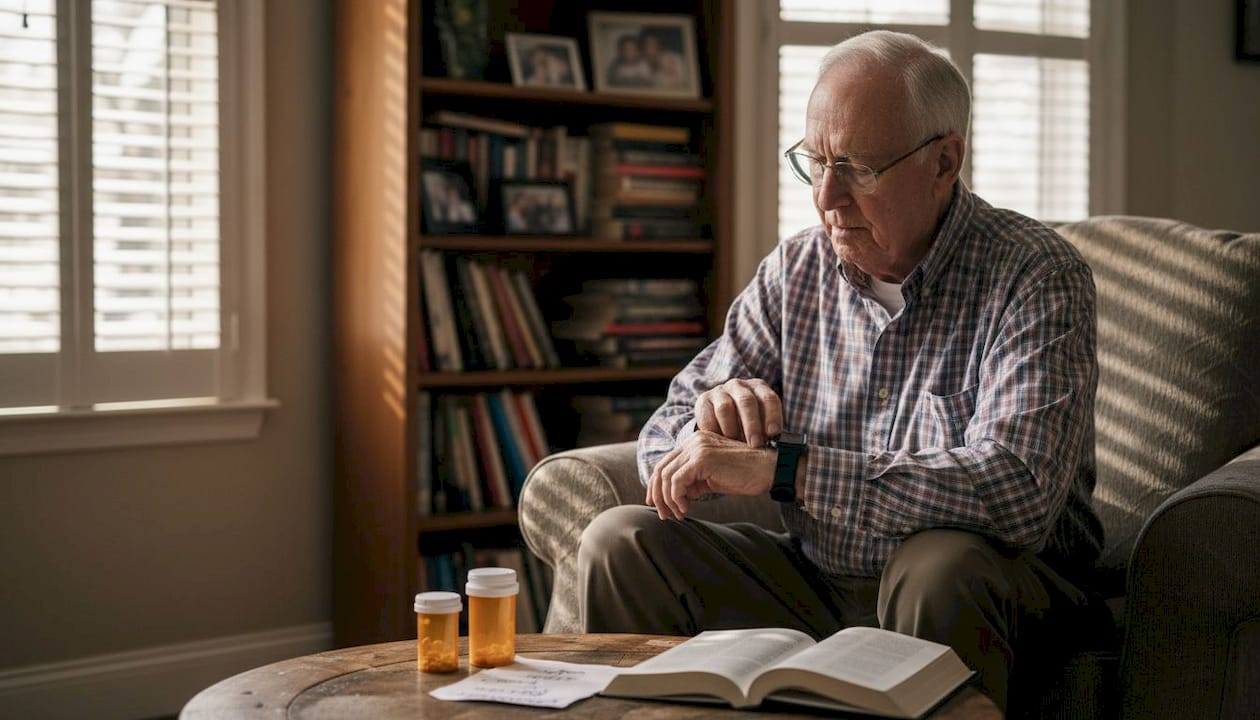
Smartwatches have simpler interfaces, larger buttons, and standalone cellular GPS without requiring phone app management, making them ideal for seniors with memory or tech challenges. The learning curve flattens dramatically when a device has three or four large buttons instead of dozens of app icons and menu layers. Touch targets are sized for aging fingers with reduced dexterity, and visual displays use high contrast for easier reading.
Geofencing and reminder features on smartwatches help manage wandering risks without requiring phone interaction. Caregivers set virtual boundaries around home, neighborhood, or care facility. If the senior crosses these boundaries, automatic alerts notify family members immediately. The senior doesn’t need to understand or operate any technology for this protection to work.
Reminders and alerts help seniors stay on track with medications, appointments, or daily tasks. The watch vibrates and displays simple messages like “Take morning pills” or “Doctor appointment in 30 minutes.” These prompts support independence without nagging or requiring smartphone literacy.
Caregiver apps linked to watches allow family to monitor location and safety remotely without burdening the senior. Adult children can check Mom’s location from work, verify Dad completed his morning walk, or receive instant fall alerts. The senior smartwatch features shift the technology burden from the vulnerable senior to the capable caregiver.
Senior-friendly smartwatch benefits include:
- Simplified operation with dedicated SOS buttons requiring just one press
- Automatic fall detection that works without any user action
- Geofencing alerts that notify caregivers of boundary crossings
- Medication reminders delivered through vibration and simple displays
- Standalone cellular connectivity eliminating phone pairing requirements
- Longer battery life reducing charging frequency and maintenance
- Water resistance allowing wear during bathing and daily activities
- Two-way calling enabling voice communication directly from the wrist
- Large icons and high-contrast displays optimized for aging vision
The design philosophy behind senior smartwatches prioritizes simplicity over features. While consumer smartwatches pack hundreds of functions, senior devices focus on the essential capabilities that save lives: location tracking, fall detection, and emergency communication. This focused approach reduces confusion and increases reliability.
Comparing costs, limitations, and practical considerations
While smartwatches cost more around $40 or more monthly, their lifesaving features and reliability justify the investment for high-risk seniors compared to cheaper but less dependable phones. The monthly fee typically covers cellular connectivity, monitoring services, and device support. Some providers require equipment purchase while others include devices in subscription plans.
Phones depend on seniors carrying them and maintaining battery life, which is often problematic in memory-impaired individuals. Phones may be suitable for tech-savvy seniors but fail often in memory-impaired cases due to forgetfulness and battery issues. A senior comfortable with smartphone technology might successfully use a phone-based solution, but this represents a minority of high-risk individuals.
Smartwatches offer water resistance, multi-day batteries, and do not require phone proximity, supporting independence. Seniors can shower, wash dishes, or get caught in rain without removing their safety device. The standalone cellular connection means the watch works anywhere with network coverage, not just within Bluetooth range of a paired phone.
Cost comparison reveals important tradeoffs. Initial phone app solutions appear free or low-cost, but hidden expenses emerge through phone upgrades, data plans, and reliability failures. Smartwatch subscriptions bundle all necessary services into predictable monthly costs. The cost of senior GPS smartwatches should be evaluated against potential medical expenses from delayed emergency response.
| Consideration | GPS Smartwatch | Phone Solution |
|---|---|---|
| Monthly cost | $40+ subscription | $0-20 app fees |
| Initial cost | $150-400 device | $0 if phone owned |
| Ease of use | Very simple, minimal learning | Complex, requires smartphone skills |
| Battery life | 3-5 days typical | 1 day with monitoring |
| Fall detection accuracy | 99.7% automatic | 85-92% app-dependent |
| GPS reliability | Always active, standalone | Requires phone proximity |
| Caregiver control | Full remote monitoring | Limited, requires senior cooperation |
| Water resistance | Yes, daily wear safe | Phone-dependent, often not waterproof |
| Best for | Memory issues, high fall risk | Tech-savvy, low-risk seniors |
Pro Tip: Evaluate your loved one’s tech comfort and safety risk factors before choosing. Sometimes combining both devices is beneficial for seniors who are comfortable with phones but need backup protection. The watch serves as primary safety while the phone enables broader communication.
Limitations exist for both solutions. Smartwatches require charging every few days, though this is less frequent than phones. Cellular coverage affects both devices equally in remote areas. Some seniors resist wearing any device, requiring patient education about benefits. Neither solution replaces human care and regular check-ins, but both supplement family vigilance with technology backup.
Practical decision factors include the senior’s cognitive status, living situation, activity level, and family support structure. A senior with early dementia living alone needs the automatic protection of a smartwatch. A sharp senior who jogs daily with their phone might manage adequately with an app. Most families find the reliability and peace of mind from smartwatches worth the additional cost when caring for vulnerable loved ones.
Explore our GPS smartwatches for senior safety
Now that you understand why smartwatches outperform phones for senior safety, it’s time to explore solutions designed specifically for your loved one’s protection. KUUS offers specialized GPS alarm watches for seniors with features like automatic fall detection and real-time location tracking. Their devices are user-friendly, reliable, and backed by responsive customer support.
Choosing a dedicated smartwatch can provide peace of mind for both seniors and caregivers, enhancing independent living safely. The investment in purpose-built safety technology pays dividends through faster emergency response, reduced caregiver anxiety, and greater senior confidence. KUUS devices eliminate monthly subscription fees while delivering professional-grade safety features that work when you need them most.
Frequently asked questions
How do smartwatches alert caregivers if a senior falls?
When a fall is detected, the smartwatch automatically sends alerts to pre-programmed emergency contacts via text message or app notification, including the senior’s GPS coordinates. If the senior doesn’t respond to the watch’s vibration and sound prompts within 30 to 60 seconds, the alert escalates automatically. Some devices also connect directly to monitoring centers that can dispatch emergency services.
Can seniors with memory issues operate these watches easily?
Yes, most senior GPS smartwatches are designed with large SOS buttons and simplified interfaces that require minimal operation. The critical safety features like fall detection and GPS tracking work automatically without any user action. Seniors only need to wear the device and press the SOS button in emergencies, making it ideal for those with cognitive challenges.
What happens if the smartwatch battery dies?
Most quality smartwatches send low battery alerts to both the wearer and caregivers days before power runs out, providing ample charging time. Battery life typically ranges from three to five days, much longer than phones running safety apps. Establishing a regular charging routine, such as overnight twice weekly, prevents unexpected power loss and maintains continuous protection.
Are GPS smartwatches waterproof or water resistant?
Most senior safety smartwatches are water resistant, allowing wear during handwashing, showering, and light rain exposure. However, waterproof ratings vary by model, so check specifications before submersion activities like swimming. Water resistance ensures seniors don’t need to remove their safety device during daily hygiene routines, maintaining continuous protection throughout the day.
Can I track the senior’s location without them needing a phone?
Absolutely, GPS smartwatches have standalone cellular connectivity and do not require pairing with a phone. Caregivers can view real-time location through a dedicated app or web portal from any internet-connected device. This independence from phones is a primary advantage, ensuring tracking works even if the senior has never owned a smartphone or forgets to carry one.